



...and the parrots flew away.
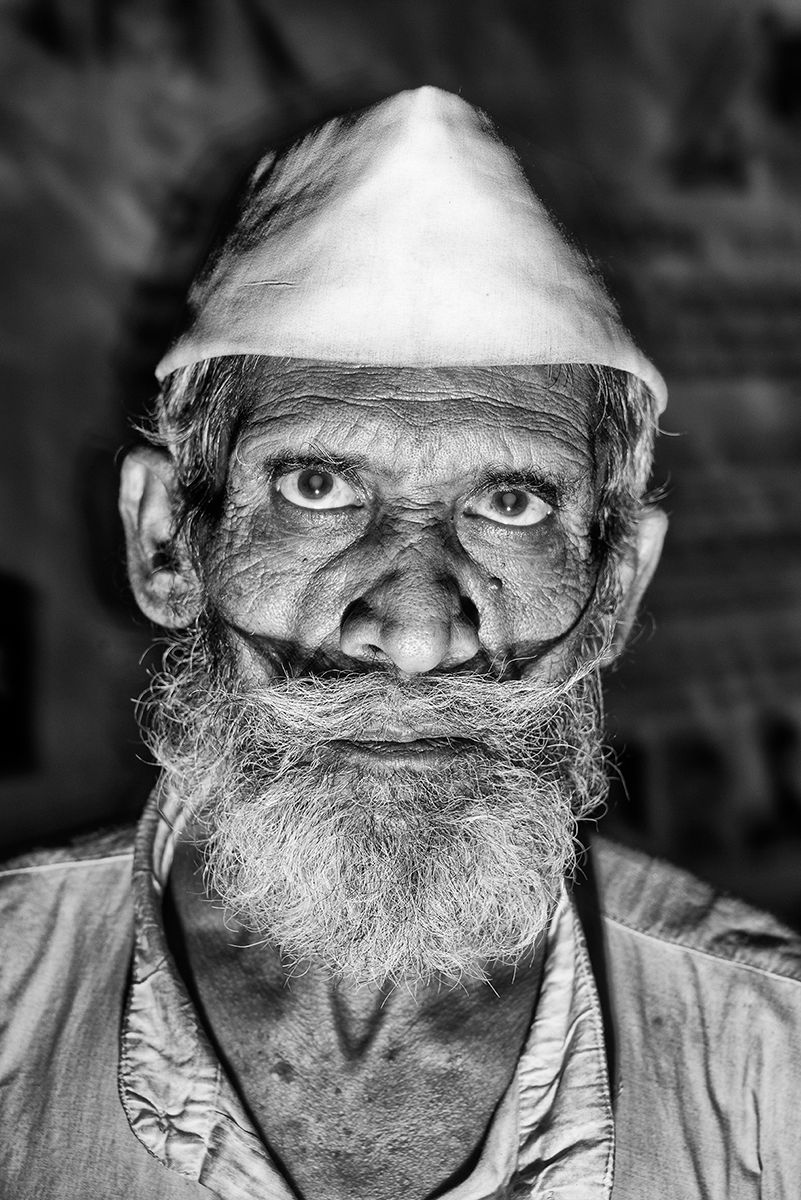
‘...and the parrots flew away.’ is a three-year documentation of Jantar Mantar, a street in the capital of India,
New Delhi. It was a space, just a few kilometers away from the Parliament, especially assigned for the citizens to voice their problems and protest against the system. My photographic enquiry opened a pandora box of narratives which became the reflection of the larger picture of the world’s largest democracy.
During the course,I met a professor on hunger strike since 1997 to bring back Socialism. There were others living on the periphery of truth, like a lady claiming identity theft by a television anchor, a girl who caged parrots and never said a word about her protest, a man claimed that his brain was wired by the doctors, and an old drunkard who came to the city to become the next President. There was also a ‘living ghost’, who was declared dead by the system. I met Dalits who had converted to Islam to rebel against the caste system, followers of godmen demanding to free them, cow vigilantes, farmers with human skulls of their fellow farmers who committed suicide. These people hemmed on the national fabric as ‘fringes’, were the abandoned children of the nation who took to this stage to project a self which is contradictory to the societal norms. Though the place was brimming with elements which one might call absurd, the idea of the existence of such a place was a promise as the last resort for the citizens to seek justice. The nature of the place was paradoxical. On one hand, it reflected how the democracy had failed its citizens and on the other, it was a success that it allowed engagement of the citizens to have their say.
On 5th October 2017, National Green Tribunal gave an order to vacate the place citing violation of environmental laws.